Celrax M3 Smart Band

History of great rajput warrior

Introduction of Maharana Pratap

Maharana Pratap, is a name worth remembering to begin one’s day with. His name is engraved with gold among the list of valiant kings who protected the Nation, Dharma, Culture and Freedom of this country by sacrificing his life ! This is a holy remembrance of his valour !

Who does not know the name of the great king of Mewar, Maharana Pratap Singh? In the history of India, this name has always proved to be motivating for qualities like valour, bravery, sacrifice and martyrdom. Many brave warriors like Bappa Rawal, Rana Hamir, Rana Sang were born unto the Sisodiya family of Mewar and were given the title of ‘Rana’ but the title of ‘Maharana’ was only bestowed on Pratap Singh.

Childhood of Maharana Pratap

Maharana Pratap was born in 1540. Rana Uday Singh, the Second, of Mewar had 33 children. Among them, the eldest was Pratap Singh. Self-respect and virtuous behaviour were the main qualities of Pratap Singh. Maharana Pratap was bold and brave right from his childhood and everyone was sure that he was going to be a very valiant person as he grew up. He was more interested in sports and learning to wield weapons rather than general education.

Maharana Pratap’s Coronation


During Maharana Pratap Singh’s time, Akbar was the Mughal Ruler in Delhi. His policy was to make use of the strength of Hindu kings to bring other Hindu Kings under his control. Many Rajput kings, abandoning their glorious traditions and fighting spirit, sent their daughters and daughters-in-law to the harem of Akbar with the purpose of gaining rewards and honour from Akbar. Uday Singh appointed before his death, Jagammal, the son of his youngest wife as his heir although Pratap Singh was elder to Jagammal but he was ready to give up his rights like Prabhu Ramchandra and go away from Mewar but the chieftains did not at all agree with their king’s decision. Besides they were of the opinion that Jagammal did not possess qualities like courage and self-respect which were essential in a leader and king. Hence it was collectively decided that Jagammal would have to sacrifice the throne. Maharana Pratap Singh too gave due respect to the wish of the chieftains and the people and accepted the responsibility of leading the people of Mewar.

Unbreakable Oath of Maharana Pratap to free the ‘Motherland’


Maharana Pratap’s enemy had surrounded Mewar at all its’ boundaries. Shakti Singh and Jagammal, the two brothers of Maharana Pratap had joined Akbar. The first problem was to gather enough soldiers to fight a face-to-face war which would have required vast money but Maharana Pratap’s coffers were empty whereas Akbar had a large army, a lot of wealth and a lot more at his disposal. Maharana Pratap, however, did not get distracted or lose heart nor did he ever say that he was weak as compared to Akbar. Maharana Pratap’s only concern was to immediately free his motherland from the clutches of the Mughals. One day, he called a meeting of his trusted chieftains and made an appeal to them in his serious and lustrous speech. He said, “My brave warrior brothers, our Motherland, this holy land of Mewar, is still under the clutches of the Mughals. Today, I take an oath in front of all of you that till Chittod is freed, I will not have food in gold and silver plates, will not sleep on a soft bed and will not stay in the palace; instead I will eat food on a leaf-platter, sleep on the floor and stay in a hut. I will also not shave till Chittod is freed. My brave warriors, I am sure that you will support me in every way sacrificing your mind, body and wealth till this oath is fulfilled.” All the chieftains were inspired with the oath of their king and they too promised him that till their last drop of blood, they would help Rana Pratap Singh to free Chittod and join him in fighting the Mughals; they would not retreat from their goal. They assured him, “Rana, be sure that we all are with you; waiting only for your signal and we are ready to sacrifice our life.”

Battle of Haldighat : Supreme fighter ‘Maharana Pratap’

Akbar tried his best to bring Maharana Pratap under his clutches; but all in vain. Akbar got angry as no compromise could be arrived at with Maharana Pratap and he declared a war. Maharana Pratap also started preparations. He shifted his capital to Kumbhalgad in the Aravalli range of mountains which was difficult to access. Maharana Pratap recruited tribal people and people dwelling in forests in his army. These people had no experience of fighting any war; but he trained them. He appealed to all Rajput chieftains to come under one flag for Mewar’s independence.
Maharana Pratap’s army of 22,000 soldiers met 2,00,000 soldiers of Akbar at Haldighat. Maharana Pratap and his soldiers exhibited great valour in this battle although he had to retreat but Akbar’s army was not successful in completely defeating Rana Pratap.   
Maharana Pratap and his faithful horse named ‘Chetak’ also became immortal in this battle. ‘Chetak’ was seriously injured in the battle of Haldighat but to save his master’s life, it jumped over a big canal. As soon as the canal was crossed, ‘Chetak’ fell down and died thus it saved Rana Pratap, risking its own life. The strong Maharana cried like a child over the death of his faithful horse. Later he constructed a beautiful garden at the place where Chetak had breathed its last. Then Akbar himself attacked Maharana Pratap but even after 6 months of fighting the battle, Akbar could not defeat Maharana Pratap and went back to Delhi. As a last resort, Akbar sent another great warrior General Jagannath in the year 1584 with a huge army to Mewar but after trying relentlessly for 2 years, even he could not catch Rana Pratap.

Severe destiny of Maharana Pratap

Maharana Pratap used to take his family with him even when wandering in the jungles and valleys of the mountains. There always used to be the danger of the enemy attacking at anytime from anywhere. Getting proper food to eat was an ordeal in the forests. Many times, they had to go without food; they had to wander from one place to another without food and sleep in the mountains and forests. They had to leave the food and immediately proceed to another place on receiving information about the enemy’s arrival. They were constantly trapped in some catastrophe or the other.
Once the Maharani was roasting ‘bhakris (Indian bread)’ in the forest; after eating their share, she asked her daughter to keep the left over ‘bhakri’ for dinner but at that time, a wild cat attacked and took away the piece of ‘bhakri’ from her hand leaving the princess crying helplessly. That piece of ‘bhakri’ was also not in her destiny. Rana Pratap felt sorry to see the daughter in such state; he got angry with his valour, bravery and self-respect and started thinking whether all his fighting and bravery was worth it. In such a wavering state of mind, he agreed to call a truce with Akbar. A poet named Pruthviraj from Akbar’s court, who was an admirer of Maharana Pratap, wrote a long letter in the form of a poem to him in Rajasthani language boosting his morale and dissuading him from calling a truce with Akbar. With that letter, Rana Pratap felt as if he had acquired the strength of 10,000 soldiers. His mind became calm and stable. He gave up the thought of surrendering to Akbar, on the contrary, he started strengthening his army with more intensity and once again immersed himself in accomplishing his goal.

Devotion of Bhamashah towards Maharana Pratap

There was a Rajput chieftain serving as a minister in the regime of forefathers of Maharana Pratap. He was very much disturbed with the thought that his king had to wander in forests and was going through such hardships. He felt sorry to know about the difficult times Maharana Pratap was going through. He offered a lot of wealth to Maharana Pratap that would allow him to maintain 25,000 soldiers for 12 years. Maharana Pratap was very happy and felt very grateful.
Maharana Pratap initially refused to accept the wealth offered by Bhamashah but at his constant insistence, he accepted the offering. After receiving wealth from Bhamashah, Rana Pratap started receiving money from other sources. He used all the money to expand his army and freed Mewar except Chittod which was still under the control of the Mughals.

Last wish of Maharana Pratap


Maharana Pratap was lying on the bed made of grass even when he was dying as his oath of freeing Chittod was not still fulfilled. At the last moment, he took his son Amar Singh’s hand and handed over the responsibility of freeing Chittod to his son and died in peace. There is no comparison in history to his fight with a cruel emperor like Akbar. When almost the whole of Rajasthan was under the control of the Mughal Emperor Akbar, Maharana Pratap fought for 12 years to save Mewar. Akbar tried various means to defeat Maharana but he remained unbeatable till the end. Besides, he also freed a large portion of land in Rajasthan from the Mughals. He underwent so much of hardship but he preserved the name of his family and his Motherland from facing defeat. His life was so bright that the other name for freedom could have been  ‘Maharana Pratap’. We pay tribute in his valiant memory !


LIFESTYLE

Image result for Lifestyle 
 Lifestyle is all about of:
  • Home Decor
  • Personal Style
  • Beauty & Skincare
  • Affordable Travel & Adventure
  • Self-Development
  • Wellbeing
  • Exercise
Lifestyle is the way of life established by society, culture, group or individual. This includes patterns of behaviour, interaction, consumption, work, activity and interests that describe how a person spends their time.
The following are common elements of lifestyle.
  • Culture
The traditions and shared experiences valued by a group. For example, the holidays, pastimes, music and art that you enjoy.
  • Norms
Shared expectations of behaviour. This includes things like rules of politeness, courtesy and civility that you follow.
  • Town & Country
The place that you live tends to impact your lifestyle.
  • Work
 Your profession and working style. For example, an artist who works at home on their own time versus working on a strict schedule within a system of rules that is beyond your control.
  • Personal Reflection
The habit of talking time to explore thoughts and ideas.
  • Religion & Spirituality
Participation in an organized religion and/or pursuit of spirituality.
  • Health
Your level of health and efforts to stay or become healthy.
  • Fitness
Your level of physical fitness and activity level including paticipation in sports and recreation.
  • Food
How you eat. For example, preparing healthy food at home and viewing meals as a society activity.
  • Enviornment
Your experience of nature and your impact on it.
  • Hobbies & Activities
 Your pursuit of interests such as hobby.
  • Fashion
How you dress and view fashion.
 
You can live your life one of two ways - Imagine with me two circles side by side. In each circle is a small dot.

Let’s call one circle “Life,” and the small dot represents “Faith.” The other circle is “Faith,” and the small dot is “Life.”

You live life in one of two ways. You either believe that your faith is just a part of your life, or you believe that your life is just a part of your faith. Regardless of the faith you proclaim, the impact on this matter is profound. It has to do with your pre-suppositions, foundations, worldviews, etc.

This may be a bit existential for what you were looking for, but I hope it adds value to your query and to your life. I wish you the best.

Types of Lifestyles Suitable For You
  • Active lifestyle. If you are a hyperactive, outgoing, or a person who loves to always become busy or productive, this lifestyle is for you...
  • Healthy lifestyle. A healthy lifestyle is close and fitting with an active lifestyle...
  • Bohemian lifestyle...
  • Nomadic lifestyle...
  • Solo lifestyle...
  • Rural lifestyle...


What you should do ?

What You Can Do to Maintain Your Health 

A lot of factors play a role in staying healthy. In turn, good health can decrease your risk of developing certain conditions. These include heart disease, stroke, some cancers, and injuries. Learn what you can do to maintain your and your family’s health.

Path to improved health

Eat healthy.
What you eat is closely linked to your health. Balanced nutrition has many benefits. By making healthier food choices, you can prevent or treat some conditions. These include heart disease, stroke, and diabetes. A healthy diet can help you lose weight and lower your cholesterol, as well.
Get regular exercise.
Exercise can help prevent heart disease, stroke, diabetes, and colon cancer. It can help treat depression, osteoporosis, and high blood pressure. People who exercise also get injured less often. Routine exercise can make you feel better and keep your weight under control. Try to be active for 30 to 60 minutes about 5 times a week. Remember, any amount of exercise is better than none.
Lose weight if you’re overweight.
Many Americans are overweight. Carrying too much weight increases your risk for several health conditions. These include:
  • high blood pressure
  • high cholesterol
  • type 2 diabetes
  • heart disease
  • stroke
  • some cancers
  • gallbladder disease.
Being overweight also can lead to weight-related injuries. A common problem is arthritis in the weight-bearing joints, such as your spine, hips, or knees. There are several things you can try to help you lose weight and keep it off.

Protect your skin.
Sun exposure is linked to skin cancer. This is the most common type of cancer in the United States. It’s best to limit your time spent in the sun. Be sure to wear protective clothing and hats when you are outside. Use sunscreen year-round on exposed skin, like your face and hands. It protects your skin and helps prevent skin cancer. Choose a broad-spectrum sunscreen that blocks both UVA and UVB rays. It should be at least an SPF 15. Do not sunbathe or use tanning booths.

Don’t smoke or use tobacco.
Smoking and tobacco use are harmful habits. They can cause heart disease and mouth, throat, or lung cancer. They also are leading factors of emphysema and chronic obstructive pulmonary disease (COPD). The sooner you quit, the better.
Limit how much alcohol you drink.
Men should have no more than 2 drinks a day. Women should have no more than 1 drink a day. One drink is equal to 12 ounces of beer, 5 ounces of wine, or 1.5 ounces of liquor. Too much alcohol can damage your liver. It can cause some cancers, such as throat, liver, or pancreas cancer. Alcohol abuse also contributes to deaths from car wrecks, murders, and suicides.

Things to consider

In addition to the factors listed above, you should make time for whole body health. Visit your doctors for regular checkups. This includes your primary doctor, as well as your dentist and eye doctor. Let your health benefits and preventive care services work for you. Make sure you know what your health insurance plan involves. Preventive care can detect disease or prevent illness before they start. This includes certain doctor visits and screenings.

You need to make time for breast health. Breast cancer is a leading cause of death for women. Men can get breast cancer, too. Talk to your doctor about when you should start getting mammograms. You may need to start screening early if you have risk factors, such as family history. One way to detect breast cancer is to do a monthly self-exam.

Women should get routine pap smears, as well. Women ages 21 to 65 should get tested every 3 years. This may differ if you have certain conditions or have had your cervix removed.
Ask your doctor about other cancer screenings. Adults should get screened for colorectal cancer starting at age 50. Your doctor may want to check for other types of cancer. This will depend on your risk factors and family history.

Keep a list of current medicines you take. You also should stay up to date on shots, including getting an annual flu shot. Adults need a Td booster every 10 years. Your doctor may substitute it with Tdap. This also protects against whooping cough (pertussis). Women who are pregnant need the Tdap vaccine. People who are in close contact with babies should get it, as well.

Art & Culture

11 Unique Culture of India : Customs & Indian Traditions  

Indian culture and traditions are something which has now become renowned all across the world.  We all refer to India and its culture as something very diverse and unique. But seldom do we give a thought to why things are done in certain specific ways. Indian culture is full of several unique customs and traditions, which outsiders might find intriguing. Most of these originate from the Ancient Indian scriptures and texts, which have dictated the way of life in India for thousands of years.

Here are 11 fascinating Indian traditions and customs

  • Greetings
  • Religious Customs
  • Festivals of India
  • Family Structure & Marriage
  • Symbols 
  • Cuisine & Food 
  • Traditional Clothing 
  • Dances of India
  • Epics & Mythology
  • Martial Arts 
  • Languages  

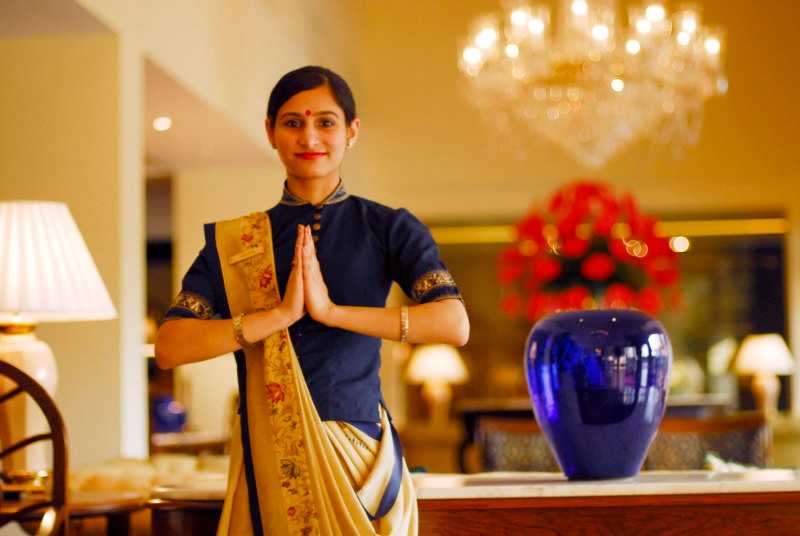
1. The Namaste

Namaste!

The Namaste is one of the most popular Indian customs and isn't just restricted to the Indian territory anymore. You have Barack Obama, who has been seen doing it on various occasions, or you had Ban Ki-mooning, the UN Secretary-General, greeting everyone with a namaste at the Times Square in New York on the first International Yoga Day. But, what's the significance? The Namaste, or namaskar, or 'namaskar' is one of the five forms of traditional greetings mentioned in the ancient Hindu scriptures, the Vedas. It translates to 'I bow to you', and greeting one another with it is a way of saying 'May our minds meet', indicated by the folded palms placed before the chest. The word Namaha can also be translated as 'na ma' (not mine), to signify the reductions of one's ego in the presence of the other.

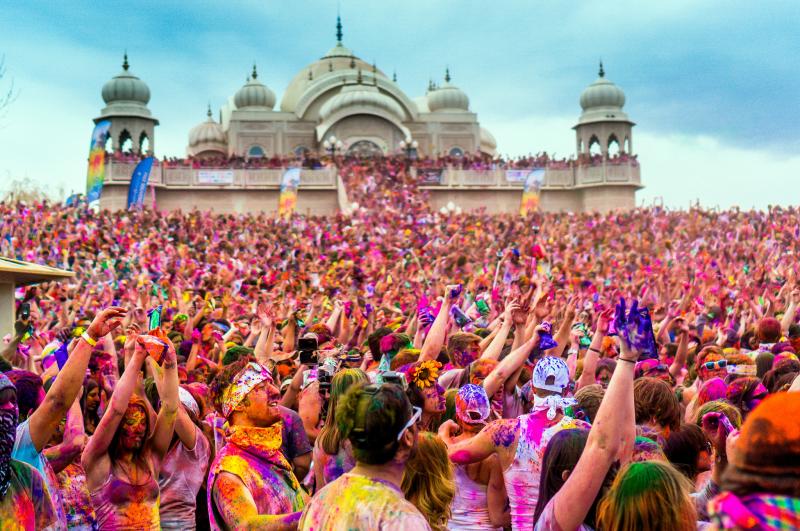
2. Always a Festive Season

Indian Culture - An amalgamation of several religions and culture 

India also sees a large number of festivals, mainly because of the prevalence of diverse religions and groups. The Muslims celebrate Eid, the Christians have Christmas and good Friday, the Sikhs have Baisakhi (harvesting of crop), and the birthdays of their Gurus and the Hindus have Diwali, Holi, Makar Sakranti, the Jains have Mahavir Jayanti, the Buddhists celebrate the Buddha's birthday on Buddha Poornima, and quite honestly, the number is endless. All of these translate to holidays in our book, of course.

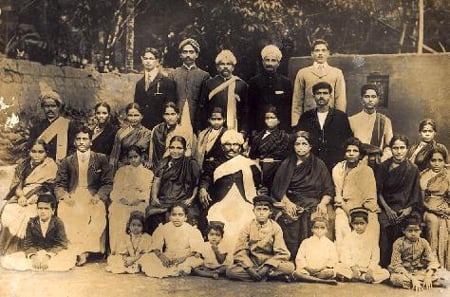
3. Joint Families

Concept of Joint Families - Significant part of Indian Culture
A Joint Family (Source)


Also, in India, there exists the concept of a joint family, wherein the entire family (parents, wife, children and in some cases, relatives) all live together. This is mostly because of the cohesive nature of the Indian society, and also reportedly helps in handling pressure and stress.

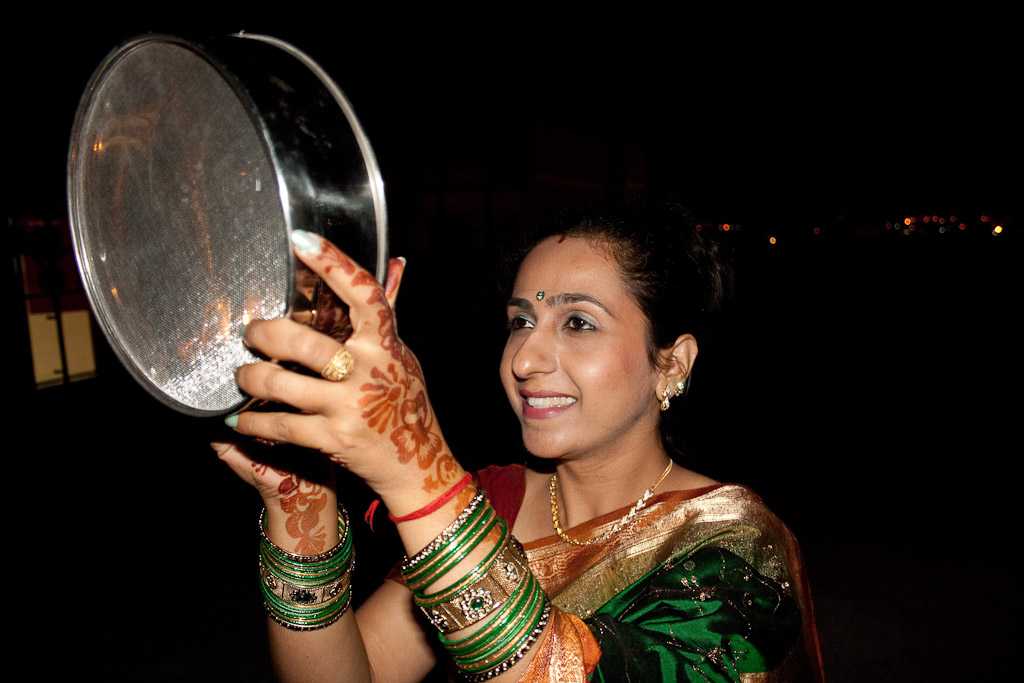
4. Fasting


Karwa Chauth
Karwa Chauth (Source)


Fasting is an integral part of Hindu Culture. Fasts or Vrats or Upvas are a way to represent your sincerity and resolve, or express your gratitude to the Gods and Goddesses.  People throughout the country observe fasts during various religious occasions. Some people also observe fast on different days of a week in favour of a particular God or Goddess associated with that specific day. It is widely believed that by doing so, you are depriving your body of a basic necessity and thus,   punishing yourself to cleanse off the sins that you have committed until the day of fast. The rules and regulations of a rapid are in accordance with the particular occasion. The origin of fast probably comes from the  Vedic ritual of kindling the sacrificial fire for sacrifice purposes. Since the word 'upvas' has been used for denoting both fasts and kindling sacrificial fire, it can be thought that people observed fasts when they had to kindle or rekindle the domestic fires kept in their homes to perform daily sacrifices.

5. Holy Cow

sacredCow

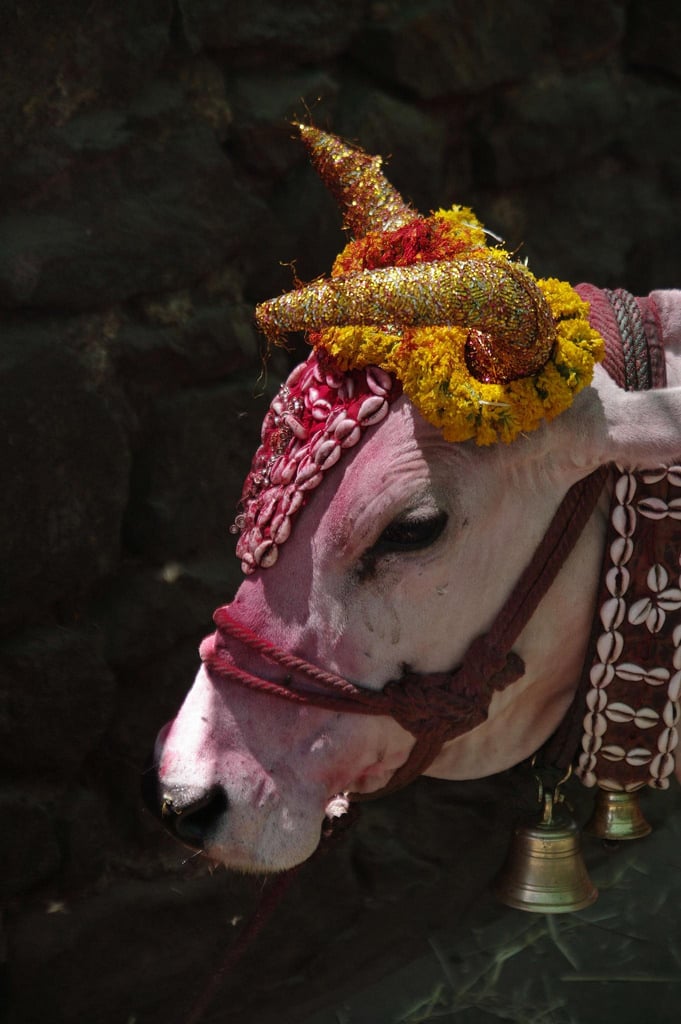
Cow, in the Indian culture, is considered to be a Holy animal. She is worshipped as a maternal figure and is a depiction of the bounty of Mother Earth. Lord Krishna, who grew up as cow herder is often depicted as playing his flute among cows and Gopis (milkmaids) dancing to his tunes. Interestingly, Lord Krishna is also known by the name of 'Govinda' or 'Gopala', which translates to the 'friend and protector of cow'. Hence, cows have an auspicious significance in Indian Culture and religion. Even Lord Shiva's trusted vehicle is Nandi- the sacred bull. Thus, feeding a cow or making contributions for cow shelters is of immense religious importance for Indians. The Vedic scriptures, in various verses, have emphasised the need to protect and care for cows. Cows are a source of life-sustaining milk. Even the cow dung is an essential and energy-efficient source of fuel, especially in rural India. Killing the cow or consuming cow meat is considered to be a sin. Hence, several states in India have banned the slaughter of cows by law. Mother cow is, however, not worshipped as other deities. The religion and culture of India appreciate and expresses its gratitude towards this innocent animal who gives back to mother Earth and its people in more than one form.

6. The Science Behind Temples

Indian Temples - A Representative of Ancient Indian Culture
Temples (Source)

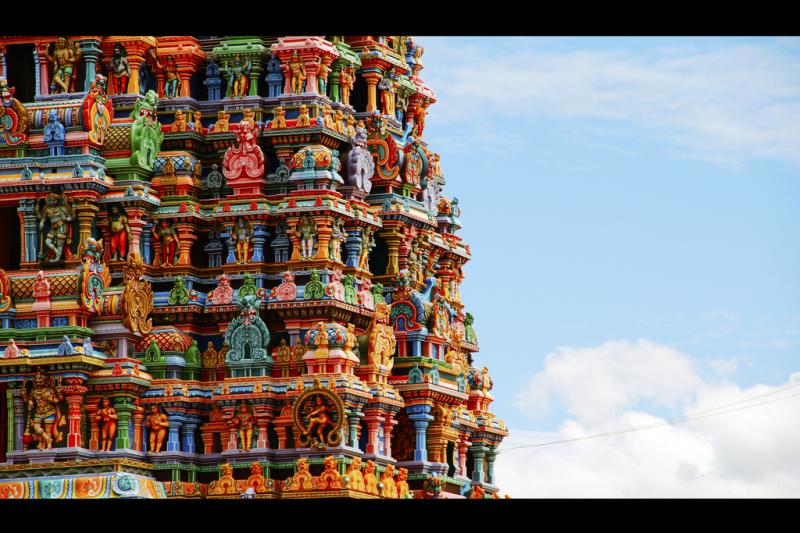
Most temples are located along magnetic wave lines of the Earth, which help in maximising the available positive energy. The copper plate (called Garbhagriha or Moolasthan) buried under the main idol absorbs and resonates this energy to its surroundings. Going to the temple often helps in having a positive mind and garnering positive energies, which in turn lead to healthier functioning.
It is also a practice to take off footwear before entering places of worship because they would bring in the dirt to an otherwise cleansed and sanctified environment.

7. Arranged Mariage System

indianWedding, Culture and Traditions in India

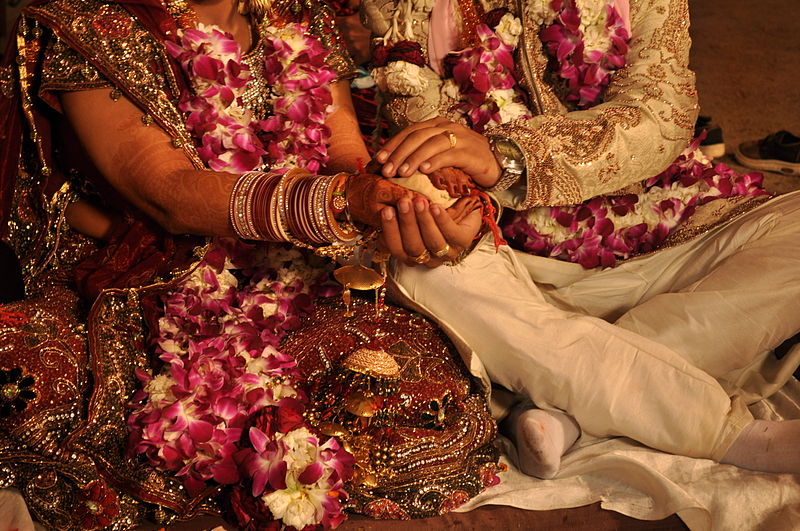
The concept of arranged marriage in India traces its origin to as early as the Vedic times. For royal families, a ceremony known as the 'Swayambar' would be arranged for the bride. Suitable matches from all over the kingdom were invited to either compete in some competition to win over the bride, or the bride would herself choose her ideal husband. Even today, the concept of arranged marriage remains a favourite among Indians and is an integral part of 'Indian Traditions'.

8. Religious Symbols

Swastika - the essence of Ancient Indian Culture
The Swastika (Source)

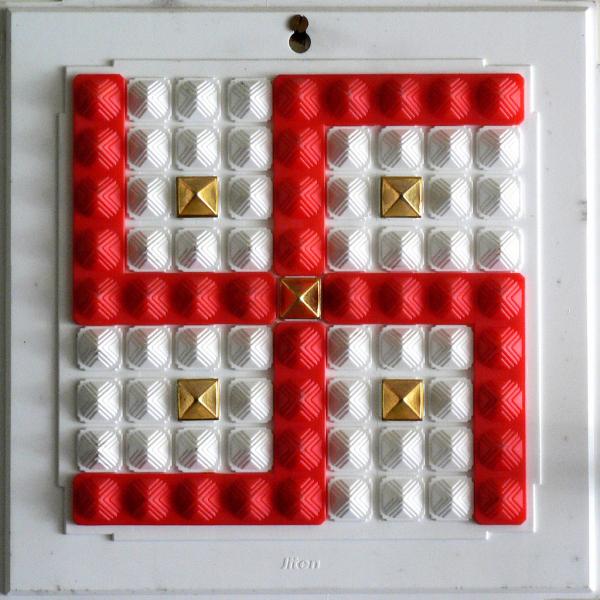
The Indian traditions and scriptures contain various signs and symbols which have multiple meanings. For example, the usage of the Swastika, in the Indian context, does not point towards Adolf Hitler or Nazism. It is the symbol of Lord Ganesha, the remover of obstacles. The arms of the Swastika have various meanings. They signify the four Vedas, the four constellations, or the four primary aims of human pursuit.

9. Atithi Devo Bhavah

Hospitality towards guests is an important part of Indian Culture,  India Customs and Traditions

In India, the saying 'Atithi Devo Bhavah' is also integral. It means 'the guest is equivalent to god'. It is a Sanskrit verse taken from the Hindu scriptures, which later became a part of the 'Code of conduct for Hindu society since the guest has always been of supreme importance in the Culture of India.

10. Indian Ethnic Wear

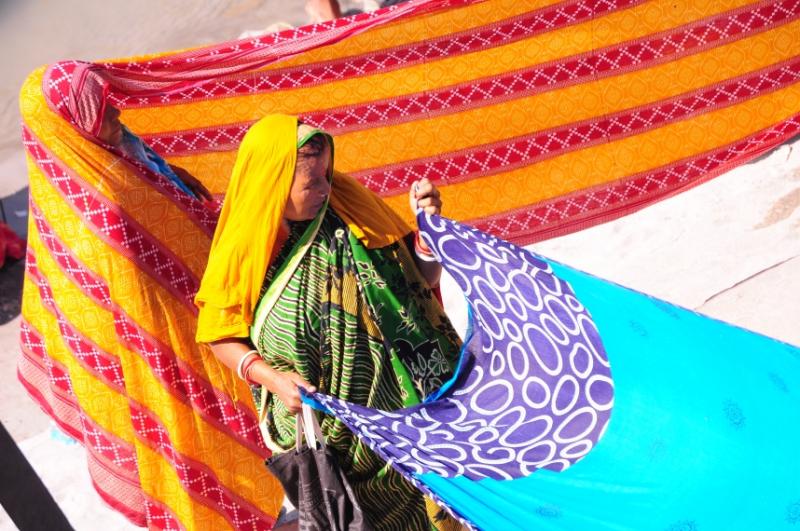
Saris - An important part of Indian Culture and attire,  India Customs and Traditions

Indian women are often seen sporting 'saris'. The sari is a single cloth and needs no stitching; it is easy to make and comfortable to wear, and also adheres to religious etiquette. It initially started as a Hindu tradition but has very elegantly spread across all religions. The same applies to the more functional 'Kurta-Pyjama', and the formal wear of 'Sherwani' for Indian men of all faiths.

11. Indian Dances


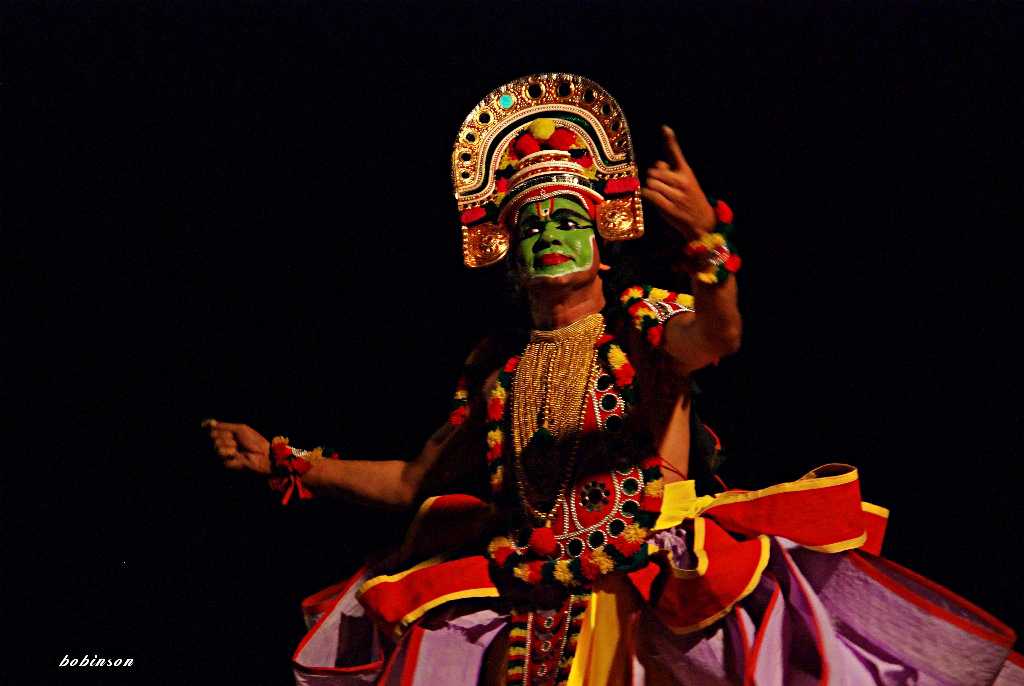
Kathakali
Source


India is a land of 'unity in diversity', and our dances are no different. Different forms of dance(classified as folk or classical) find origin from different parts of the country, and they are a way of representation of the particular culture from which they originate. Eight classical dances, which are classified as Indian classical dances and find a mention in the Hindu Sanskrit text 'Natyashashtra', (a text of performing arts) are:
  • Bharatnatyam from Tamil Nadu
  • Kathakali from Kerela
  • Kathak from North, West and Central India
  • Mohiniyattam from Kerela
  • Kuchipudi from Andhra Pradesh
  • Oddisi from Odhisa
  • Manipuri from Manipur
  • Sattriya from Assam
All the dance mentioned above forms are a complete dance drama, wherein a dancer or performer narrates an entire story, almost entirely and exclusively through gestures. Such stories are mostly based on the vast Indian mythology. Classical dances in India are strictly classified as and performed according to the rules and guidelines prescribed in the Natyashastra. Just like Classical dances, folk dances in India too originate from different regions of the country. These performances are mostly based on stories which are orally passed on from one generation to the other. Folk dances mainly trace their importance to the rural areas, where performances depict the day to day life of rural inhabitants. The process for a suitable match is one long and tiring effort, which begins with matching some criteria like the horoscope, religion, caste, professional stature, physical appearance and culture. It is made sure that majority of the requirements are a 'match made in heaven' (even if it has to be tailor-made). After all the checkboxes are ticked, the elders of the family meet for a face to face interaction. Once the talks are successful, preparations for the wedding begin in full swing.

 12. Indian Food

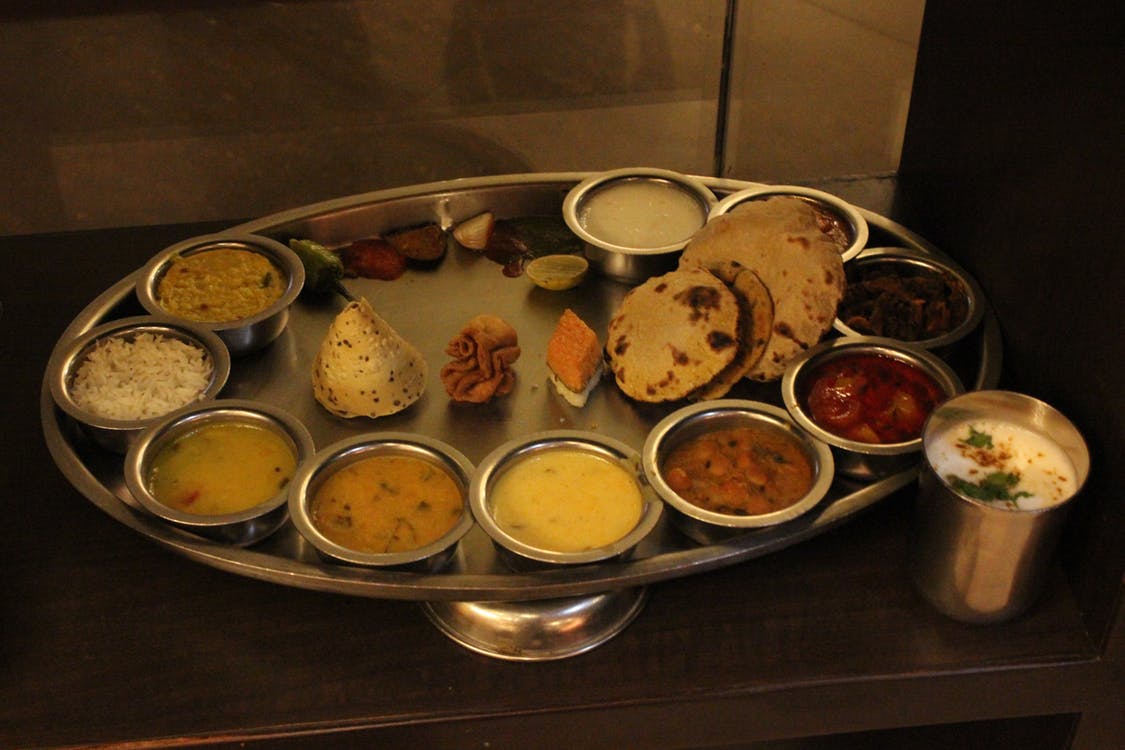
Indian Thali, India Customs and Traditions
Indian food and cuisine not only form an integral part of the culture of India but are also one of the critical factors of India's popularity worldwide. The style of cooking varies from region to region, though unanimously, Indian food has a significant reputation for its extensive use of spices and herbs. Just like dances, religious practices, language and clothes, you will also find a wide variety of food throughout the country. Almost every region is known for a signature dish or ingredient. The staple, however, throughout the nation consists mostly of rice, wheat and Bengal gram (Chana). While vegetarian food is an integral part of Gujrati South Indian and Rajasthani cuisines, non-vegetarian dishes form a central part of Mughlai, Bengali, North Indian and Punjabi cuisine. It is also interesting to note that specific cuisines like that of Kashmir have also been influenced by foreign cooking styles from Central Asia, Persia and Afghanistan.

13. Epics


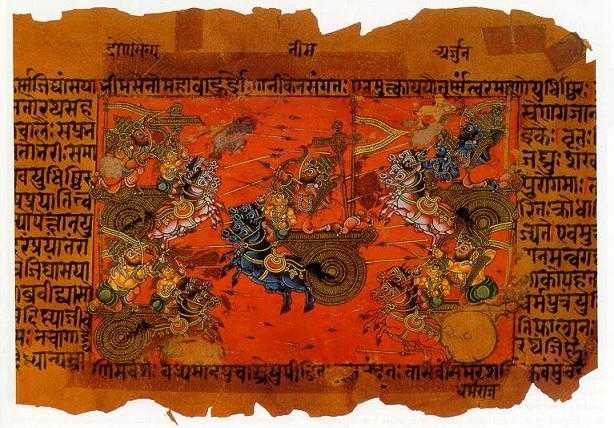
Mahabharat
Source
Indian literature can be traced back in the great epics written in the form of poems, plays, stories, and even self-help guides. The most famous Hindu epics are Ramayana and Mahabharata. Mahabharata, by Ved Vyasa, is the longest poem written in Sanskrit. Both these epics are written in order to highlight human values of sacrifice, loyalty, devotion and truth. The moral of both stories signify the triumph of good over evil.

14. Indian Martial Arts


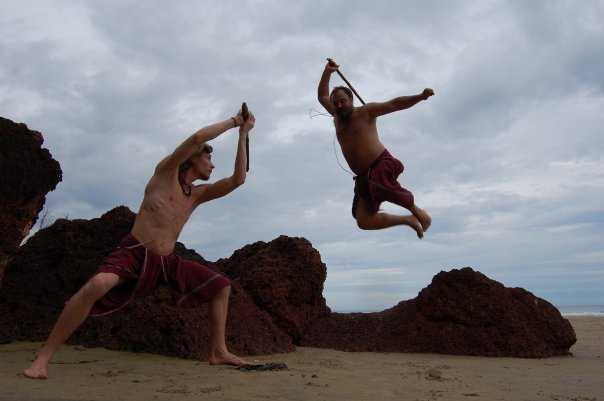
Kalaripayattu
Source
India is home to quite a few unique styles of martial arts, some of which have ancient origins. While some martial art forms require the use of weaponry, some don't. Mainly used for combat, some martial art forms are also used for healing. In today's times, these martial art forms are popular as self-defence techniques and even fitness.

15. Eating with hands


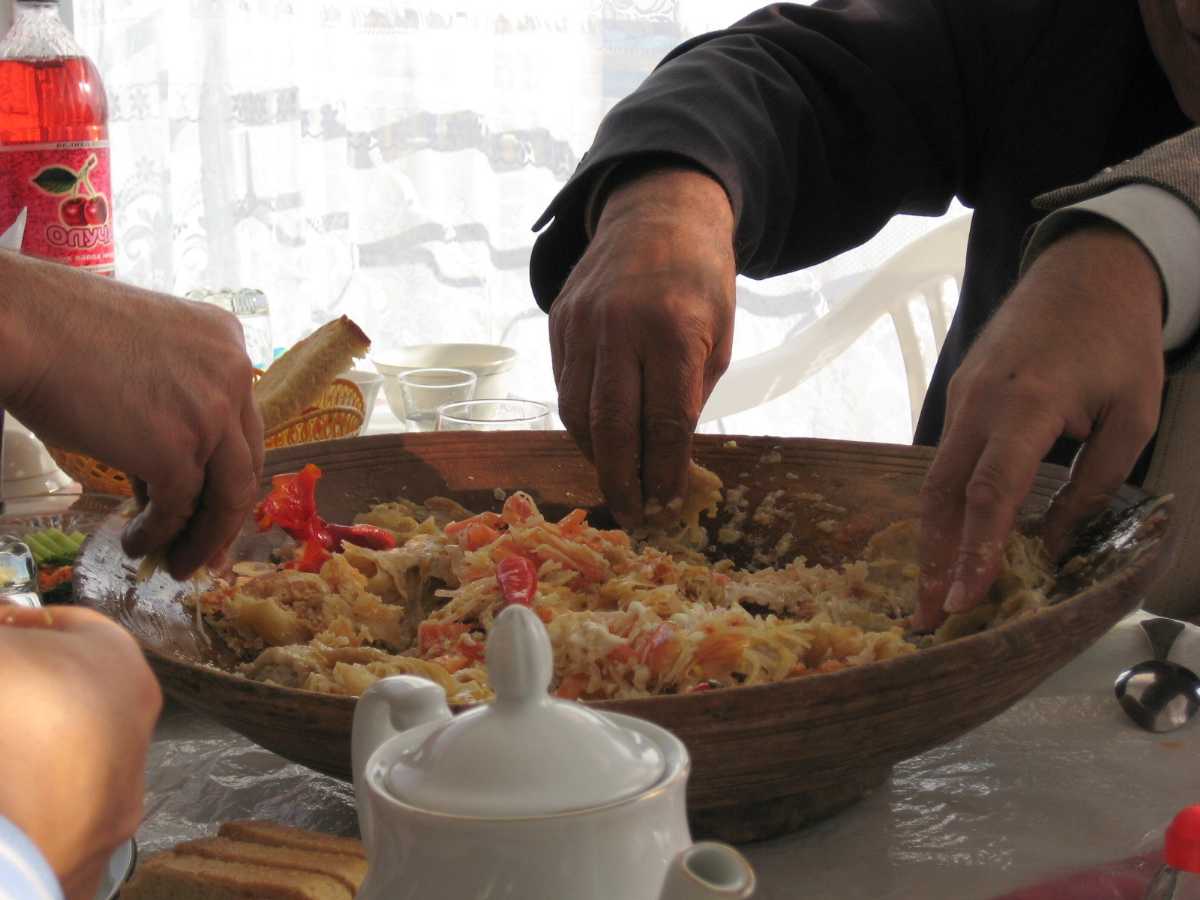
Eating with hands
Source
Eating with hands may not sound great to many people. However, it has many benefits. Fingers being heat receptors, they prevent your mouth from burning when the hot food is put inside. You get to check the temperature before eating the food. Other than that, you tend to eat slower when you dine with hands — this aids in digestion. Traditionally, the right side is used to eat, and the left hand is considered to be dirty. One must thoroughly wash his/her hands with soap and water before eating. This practice makes the eating process very hygienic. Eating with hands is a widespread practice in South and East India, but it's a bit rare in North and West India. In North and West India, people use spoons to pick up the rice to eat but use fingers to break down the bread. 

16. Languages


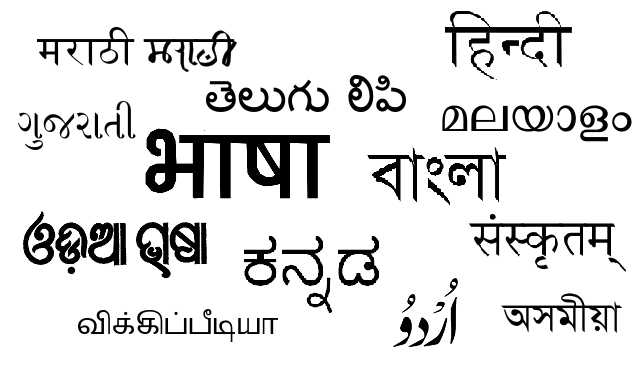
Languages of India
Source


India is socially, culturally, and linguistically very diverse. Hindi and English are widely spoken and recognised for official purposes. Other than than, there are 22 scheduled languages recognised by the constitution of India. However, more than 400 languages and dialects in India are still not known. Dialects change even with a few kilometres of travel in the state. Over the years, about 190 languages have become endangered due to very few surviving speakers.

There exist thousands of traditions and culture in India, and quite a few of them would leave outsiders rather curious. But the crux of Indian society and culture has always been to be well mannered, polite, respect others, and progress together.


Things you should do everyday

THINGS YOU SHOULD DO EVERYDAY


Improve your life:What 10 Things Should You Do Every Day To Improve Your Life? 


1) Get out in nature

You probably seriously underestimate how important this is. (Actually, there’s research that says you do.) Being in nature reduces stress, makes you more creative, improves your memory and may even make you a better person.

2) Exercise

We all know how important this is, but few people do it consistently. Other than health benefits too numerous to mention, exercise makes you smarterhappier, improves sleepincreases libido and makes you feel better about your body. A Harvard study that has tracked a group of men for more than 70 years identified it as one of the secrets to a good life.

3) Spend time with friends and family

Harvard happiness expert Daniel Gilbert identified this as one of the biggest sources of happiness in our lives. Relationships are worth more than you think (approximately an extra $131,232 a year.) Not feeling socially connected can make you stupider and kill you. Loneliness can lead to heart attack, stroke and diabetes. The longest lived people on the planet all place a strong emphasis on social engagement and good relationships are more important to a long life than even exerciseFriends are key to improving your lifeShare good news and enthusiatically respond when others share good news with you to improve your relationships. Want to instantly be happier? Do something kind for them.

4) Express gratitude

It can make you a better person.

5) Meditate

Meditation can increase happinessmeaning in life, social support and attention span while reducing anger, anxiety, depression and fatigue. Along similar lines, prayer can make you feel better — even if you’re not religious.

6) Get enough sleep

You can’t cheat yourself on sleep and not have it affect you. Being tired actually makes it harder to be happy. Lack of sleep = more likely to get sick. “Sleeping on it” does improve decision making. Lack of sleep can make you more likely to behave unethically. There is such a thing as beauty sleep.

7) Challenge yourself

Learning another language can keep your mind sharp. Music lessons increase intelligence. Challenging your beliefs strengthens your mind. Increasing willpower just takes a little effort each day and it’s more responsible for your success than IQ. Not getting an education or taking advantage of opportunities are two of the things people look back on their lives and regret the most.

8) Laugh

People who use humor to cope with stress have better immune systems, reduced risk of heart attack and stroke, experience less pain during dental work and live longer. Laughter should be like a daily vitamin. Just reminiscing about funny moments can improve your relationship. Humor has many benefits.

9) Touch someone

Touching can reduce stress, improve team performance, and help you be persuasive. Hugs make you happier. Sex may help prevent heart attacks and cancer, improve your immune system and extend your life.

10) Be optimistic

Optimism can make you healthierhappier and extend your life. The Army teaches it in order to increase mental toughness in soldiers. Being overconfident improves performance.